Think of protein as the building blocks of life. It’s the most crucial nutrient for the human body, right after oxygen and water. Every single cell in your body is constantly being replaced, and without sufficient protein, your body lacks the raw materials to rebuild those cells properly.
Without enough protein, your body breaks down muscle mass to compensate. This muscle loss becomes more apparent as you age—a common issue in many Asian cultures where traditional diets tend to be high in carbs and low in protein. Over decades of insufficient protein intake, muscle mass declines, leading to frailty in older generations. This explains why many elderly individuals struggle with basic activities like walking or standing up. The same is of course true for individuals who are in the growth stage as well.
How Much Protein Do You Need?
Recommended protein intake varies based on factors like muscle mass, height, age, gender, and activity level. However, a simplified guideline is:
- 1g per kg of body weight for basic sustenance
- 1.2-1.4g per kg of body weight if you’re training to build muscle
For example, a 50kg female would need around 50g of protein daily for sustenance, while a 75kg male would need around 75g. If you’re active, aim higher.
Protein and Muscle Mass: The Simple Equation
Here’s how protein intake affects your body:
- Lack of protein = Loss of muscle mass
- Enough protein + Sleep = Sustenance of muscle mass
- Enough protein + Exercise = Gain in muscle mass
Exercise doesn’t have to mean heavy gym workouts. Simple activities like standing, walking, and moving around contribute to maintaining muscle—as long as you’re not just lazing around. Resistance training accelerates muscle development, but even light movement paired with sufficient protein intake can make a huge difference.
What Happens If You Eat Too Much Or Too Little Protein?
Excess protein doesn’t harm your body unless you have pre-existing kidney issues. Your kidneys work harder to excrete the excess through urine. You’ll also need more fiber—both soluble and insoluble—to help with digestion. But for a healthy individual, there’s little to no risk.
I see this happening everyday, especially here in Malaysia. Whether from dislike of certain meats, some diet plan, or just a general saving money, lacking the basic building blocks for cell reproductions, as simple as it sounds, just means you’ll start to lose muscles slowly (depending on how malnutrition your diet is). This effect is compounded greatly over decades of poor eating habits.
Protein for Weight Gain vs. Fat Loss
From personal experience:
- Weight gain: Take your protein shake after meals. This boosts your calorie intake without feeling stuffed.
- Fat loss: Take your protein shake before meals. It’ll make you feel fuller, reducing your intake of carbs and oils. You’ll also find yourself less tempted to snack.
When it comes to body goals, tracking muscle mass or waist circumference is more meaningful than tracking weight. Muscle is denser and heavier than fat, so the scale might not reflect your progress accurately. Water weight can also fluctuate daily based on hydration, salt intake, and hormonal changes. This temporary weight gain or loss has little to do with fat or muscle, making it an unreliable measure of progress.
Protein Content in Common Foods
Achieving daily protein goals can be surprisingly challenging. Here’s a look at typical protein content in common foods to give you a general idea:
| Food | Protein per 100g |
|---|---|
| Chicken breast | 30g |
| Tofu | 8g |
| Eggs (1 egg) | 6g |
| Tuna (canned) | 25g |
| Whole wheat bread | 9g |
| Milk (200ml) | 6g |
Now, consider a typical Malaysian diet: popular dishes like nasi lemak, char kuey teow, prawn mee, and mee goreng. These meals are high in sodium, carbohydrates and oils but extremely low in protein.
For example, individual A has a roti canai with dhal (~8g) for breakfast, chicken rice (~27g) for lunch, and mee goreng (~15g) for dinner. He has achieved an estimate of 50g of protein intake.
Individual B however, has only coffee for breakfast, char kuey teow with 1 egg (~8g) for lunch, and fried rice (~10g) for dinner. He only achieved an estimated 18g of protein intake that day.
Finally, Individual C has 2 half boiled eggs with toast for breakfast (~14g), tuna sandwich for lunch (~15g), and a chicken chop (~35g) for dinner. He achieved around 64g of protein that day.
If you’re 50kg you should aim to hit 50g of protein daily, irrespective of your weight goals. How fast you lose muscles, really depends on how deficient of protein you are (of course they are other factors like sleep/water intake, but we’re only focusing on protein intake for this discussion).
Protein Powders: A Convenient Solution
Protein powders simplify the process. One drink can deliver up to 50g of protein. But with so many types available, which one suits you best? Here’s a breakdown of the average protein content per type and their pros and cons:
| Type | Protein per 100g | Pros | Cons |
| Whey | 75-80g | Most complete amino acid profile; fast absorption | Expensive; may cause bloating, acne, and issues for those with lactose intolerance |
| Soy | 75-85g | Cheapest option; plant-based | Lower absorption; potential estrogen-like effects with excessive intake |
| Pea | 75-85g | High in iron; replenishes sodium for active people | Slightly bitter taste; higher sodium content, which may affect those with high blood pressure |
| Milk Powder | 16-24g | Good flavor; additional calcium | Higher calories for full cream; acne potential |
While soy protein is affordable and plant-based, it’s worth noting that many people already consume soy products daily—such as soybean milk, tempeh, and tofu. Excessive intake can lead to potential estrogen-like effects, especially if your daily protein intake heavily relies on soy-based foods and supplements. Balance is key to avoid hormonal imbalances while still enjoying the benefits of soy.
My Personal Protein Blend
Ever since my previous article about Whey Protein Powders, many of you guys ask me what do I take. Personally, I prefer a mix of whey, soy, and pea protein—balancing the best of each while keeping costs down. I mix mine with either skim or full-fat milk, depending on my goals for the day. Typically, I’ll go with 1 scoop of milk powder, 1 scoop of soy and 0.5 scoop of whey. I intend to incorporate Pea Protein as well into my mix (waiting for sale). I find this brand’s product to be one of the best cost vs quality.

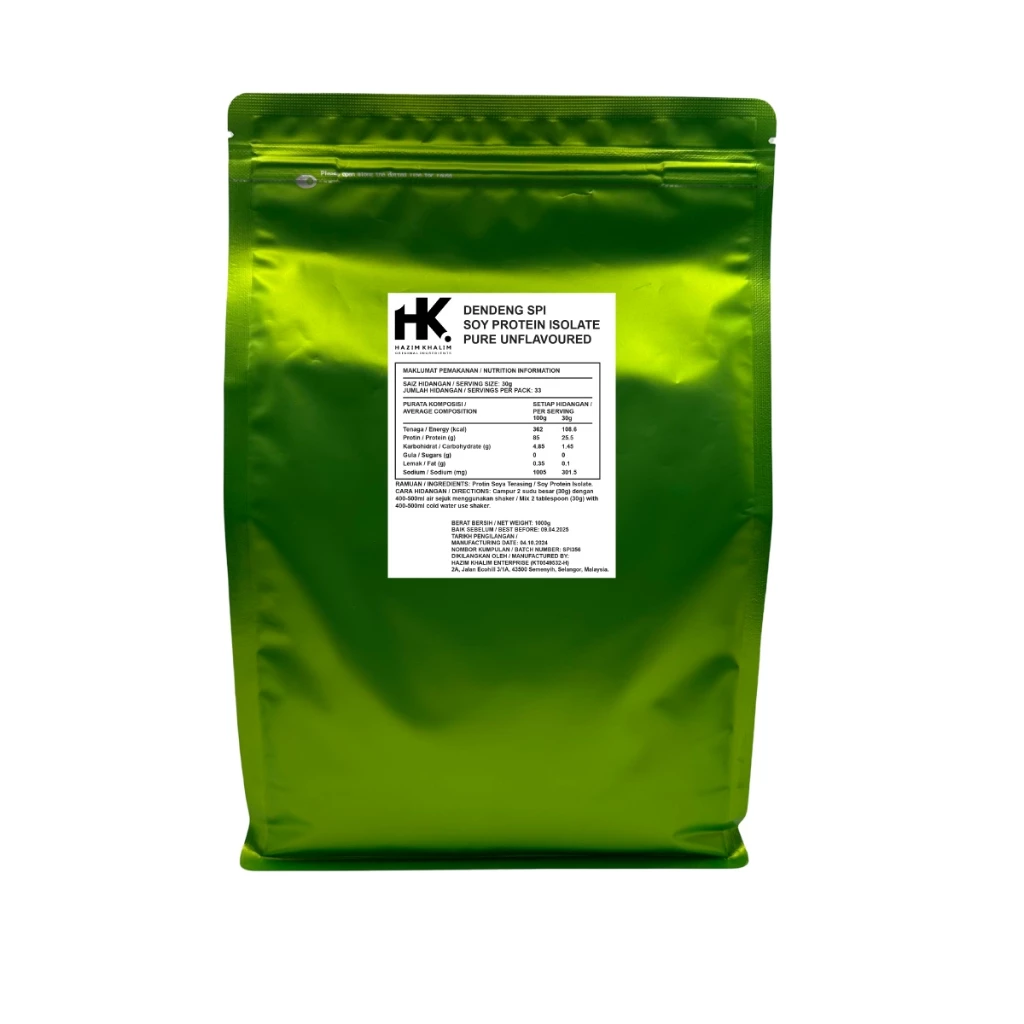
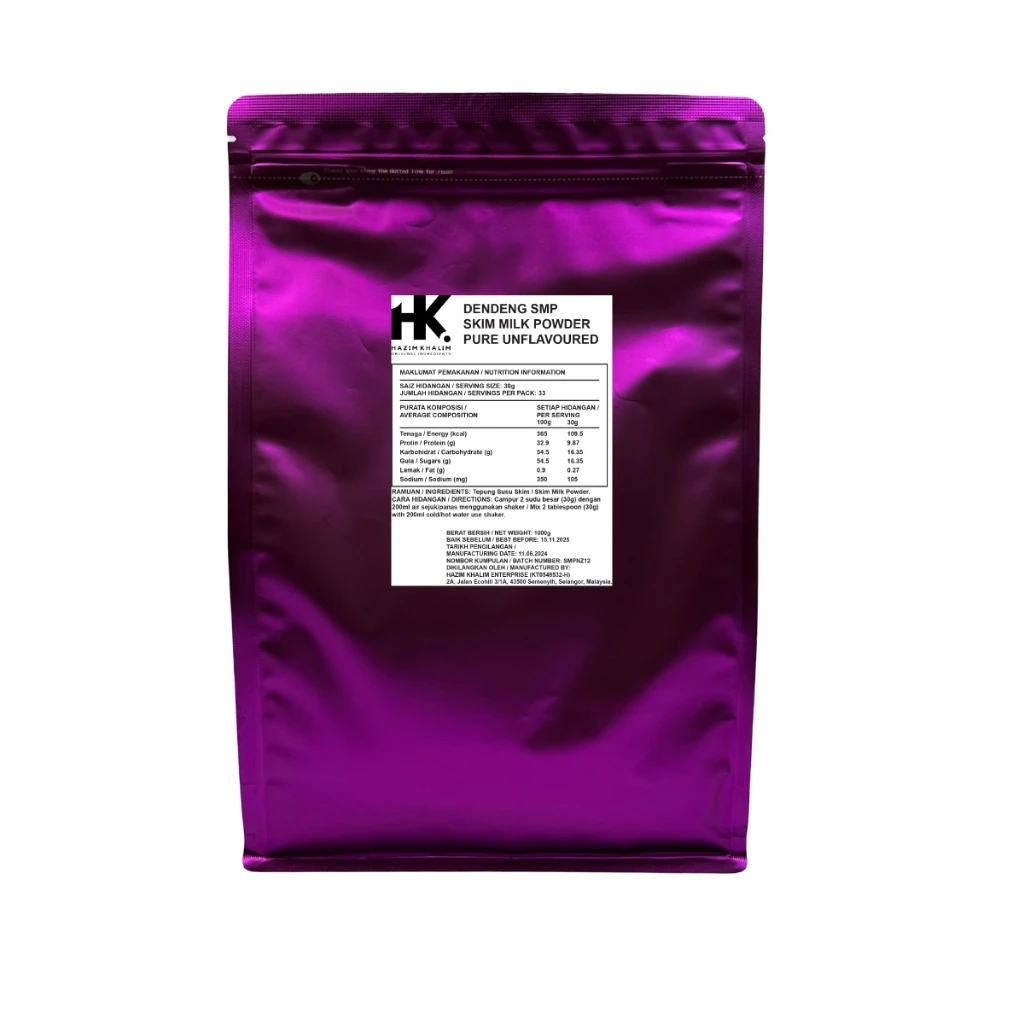
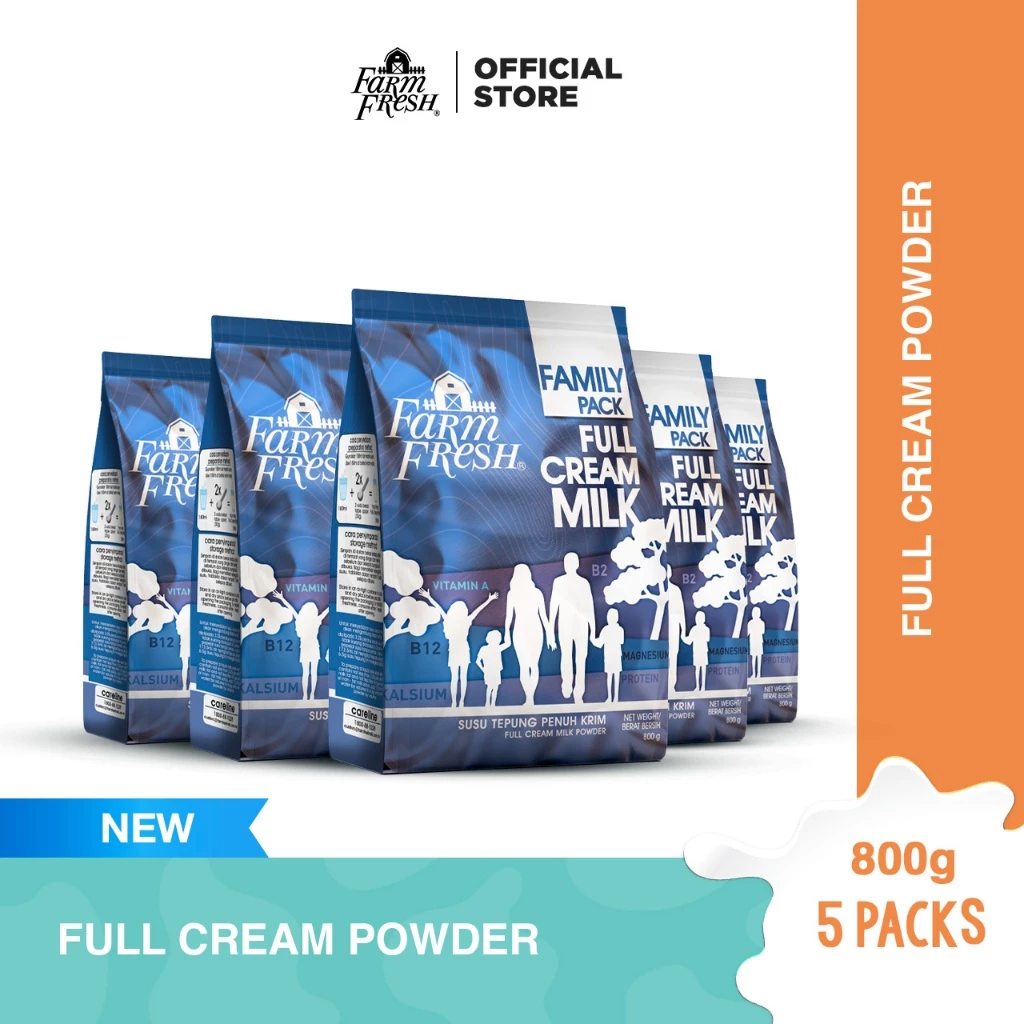
For flavor, I add Extra Joss, Nescafe, chocolate powder, or smooth peanut butter (Ladies Choice), depending on my mood and planned activities.
Why Mix Different Proteins?
Combining proteins gives you the best of all worlds—a more complete amino acid profile, better taste, and cost efficiency. You can adjust the ratio to suit your preferences and dietary needs.
With the right approach, hitting your daily protein target becomes much easier—whether your goal is muscle gain, fat loss, or simply maintaining your health for the long term. There are also premixed protein options available in the market. However, the exact percentage of each type of protein in these blends is often undisclosed. Some manufacturers might add only a small amount of expensive whey while increasing the proportion of cheaper soy or pea protein. As a consumer, it’s crucial to be mindful of this and choose brands that provide transparency about their blend composition.
Conclusion
In the end, ensuring adequate protein intake isn’t just about building muscle for today—it’s about investing in your future health. You might not notice significant changes in the short term, but over time, your body will thank you. Maintaining muscle mass as you age means preserving mobility, strength, and overall well-being.
Remember, while protein powders provide a convenient way to meet your daily goals, they are not meant to replace whole foods. Whole foods offer essential macronutrients, vitamins, and minerals that powders lack. However, if you’re short on time or struggle with meal prep, protein powders can be a helpful supplement to fill the gap. Think of them as a tool—not a substitute—for a balanced, protein-rich diet.
Do share this article to your family and friends. Especially those whom you think are especially ignorant to their body’s nutritional needs.
Disclaimer : The links to the products listed above are of an affiliate nature, meaning you’ll help support this website with every purchase made, at no extra cost to you.